When you think of the New Year what comes to mind?
I think of the New Year I think of going out with friends and drinking, watching a parade or watching the ball drop on TV at Times Square. I think of all the people writing New Year’s resolutions and working towards positive change for the year ahead. No, I’m just talking about all the marketing ploys to get you to buy a new you and make impossible and expensive goals that people can’t follow through with. Sometimes it’s hard to see the positive themes hidden beneath the capitalistic agenda.
Deeper Meaning of New Year’s Celebrations
There are some deeper themes I think of in regards to the New Year. One is celebrating the end of one annual cycle and the start of a new one. Another meaning of New Year’s celebrations is the idea of new hope, new opportunities, new beginnings, self-growth, and transformation. I don’t mean in terms of purchasing happiness, but as a time to look inward and focus on inner transformation and manifesting dreams. It’s also a great time to do shadow work or chakra work. Transforming into the healthiest and most authentic version of yourself and embracing new beginnings in the New Year.
Why Celebrate on January 1st?
Many of you completed your New Year’s celebrations already. but why do we celebrate it on January 1st? In America and many western countries, we celebrate January 1st as the beginning of the New Year. This is because we follow the Roman calendar. Julius Caesar reformed the Roman Calendar to start on January 1st many, many years ago. It’s a date and celebration that has been modified by forces in power in order to assimilate certain cultural populations into their own celebrations. Yule, Christmas as we know it, Easter, and all the other Marketing holidays we know were created by assimilating various belief systems into one celebration. However, they all have very interesting origins in their respective cultures.
Exploring Modern Pagan Alternatives for New Year’s Celebrations
Because Paganism is an umbrella term for many diverse belief systems, there is no specific Pagan New Year that is the right choice. it depends on your personal beliefs and what resonates with you or what is historically associated with your belief system. It could also be what the people close to you and your personal community celebrates in order to appreciate the community during this time. However, for those curious about learning about more options, there are some sabbats, pagan traditions, and observances that could be what you are looking for.
While many Pagan calendar’s followed similar cycles, they may choose to celebrate the turning of the year at different points of time on the calendar. I mean, it’s a Wheel or Cycle so where does it truly start and end? It would vary based on what values were important to that specific culture and what their seasons were like historically.
If you are an eclectic Pagan or Spiritual without a specific pathway, you may be looking for a time of year that resonates with you that isn’t the modern marketing holiday.
Popular Times of Year to Celebrate Turning of the Year
Samhain
It is one of four fire festivals that marked the changing of the seasons and the changing of the 2 seasons in the Celtic Tradition and was adopted by Wicca as a Sabbat and The Pagan New Year.
Associated with the thinning of the veil allowing fairies and the dead to walk among the living. It is a time to honor the dead.
Yule (Modern Winter Solstice Celebration)
Takes place as a Solstice Celebration for Modern Pagans. It is timed in a way that blends Christmas, Yule & The Winter Solstice into a Yuletide Celebration in the end of December.
Represents the Longest Night & Return of the Sun. It’s a key shift in the year towards renewal and growth. This is a great time for reflection, self-growth, enlightenment and renewal now that the darkest days are behind us. This is when we nurture self growth and reflect in order to be ready to plant the seeds for change in Ostara.
Yule (Norse Reconstructionist Midwinter Festival Blót)
They celebrated their turning of the year on the full moon after the new moon following winter solstice instead on the Winter solstice itself and many Reconstructionists choose to celebrate it on that date.
It typically took places during the coldest time of year before the days start warming.
Symbolized the end of a period of ice and welcoming transformation & change.
Chinese New Year (Spring Festival)
Spring Festival & Lunar New Year
Symbolizes usher out the old year and bringing forth the luck and prosperity of the new one. It is also about honoring ancestors and family.
It exists as a reflection and preservation of traditional Chinese Philosophy & Culture as the Spring Festival once January 1st was adopted as the official New Year.
Other Options for New Year’s Celebrations:
Imbolc
Also known as Brigid’s Day. Spring Fire Festival. 1/2 way point between the Winter Solstice & Spring Equinox.
Would be a Spring Festival Turning of the Year similar to Chinese New Year and on the opposite end of Samhain on the Wheel.
Themes of hope, growth, nourishing new beginnings.
Ostara
Spring Equinox. Solar Holiday.
Represents start of Spring & beginnings of the brightest and warmest days so could be a great time to celebrate if you are partial to Spring as your Turning of the Year
Symbolizes Balance, Planting the Seeds for the Future & New Beginnings
Hags Day
Pagan Observance, January 1st.
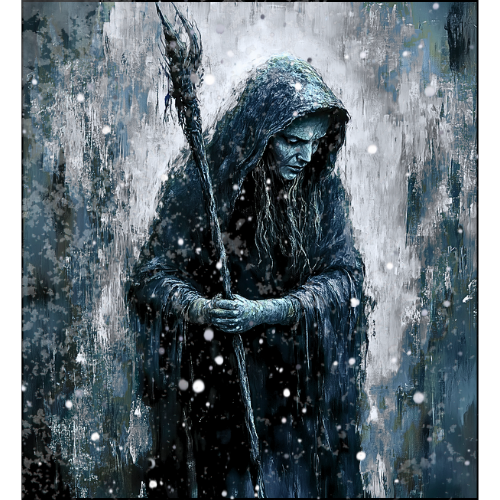
On this day, we can observe Hag’s Day to honor the goddess as She Who Transforms. An older woman such as the Crone aspect of the Triple Goddess or a stand-alone goddess that represents wisdom, power & transformation. Some examples are Cailleach, The Morrigan, or Hecate.
Celebrate & honor the aspect of the goddess many people hesitate to connect to simply because powerful wise women are feared in our historically patriarchal society.
Focuses on shadow work, self-reflection & transformation.
Mix & Match: Extended Yuletide Season
Some practice Yule for 3 days and other’s lengthen it to 12 days or more.
Honor more aspects of their life and have a focus for each day. Many start it around the Winter Solstice until the New Year,
Take a more eclectic approach to Yule. but you could also place it whenever you’d like and add or remove days as you wish based on your own personal beliefs.
Have a day for the Yule cat or Yule lads. Celebrate Saturnalia in your own way. Have an Ancestor’s Day. You could even put Hag’s Day on there.
I’m sure there are many other potential holidays from the many belief systems that encompass Paganism that could be great alternatives or additions, but I won’t list all of them here. I highly suggest exploring reliable sources online to find what works best for you.
What Resonates With Me
Both Norse Paganism and Celtic Paganism, which I connect to most, follow the two part/season year. So, I will celebrate the beginning of the yearly cycle in Samhain with my friends. However, as a Minnesotan, I feel drawn to celebrating surviving another round of Ice and frigid Winter. Use Midwinter Festival as a way embrace new beginnings and hope for the upcoming spring. Winter Solstice through to Norse Midwinter Festival can be my turning of the year. Thank the Dark and the Ice for what they teach me during my period of reflection and gain enlightenment from my reflections with the coming of the new light and renewal.
I’m also a huge fan of shadow work so Hag’s Day speaks out to me. The Cailleach, The Morrigan, and all the other crones or hags are great examples of wisdom, power and transformation. Celebrating Hag’s day to honor both shadow work and mature wise and powerful women seems like a win-win.